KabilanSenthil

I model what happens inside a battery, so the next one lasts longer.

Electrical engineer and battery modelling researcher. M.Sc. Electrical Engineering at the University of Stuttgart, master's thesis at Fraunhofer IPA.

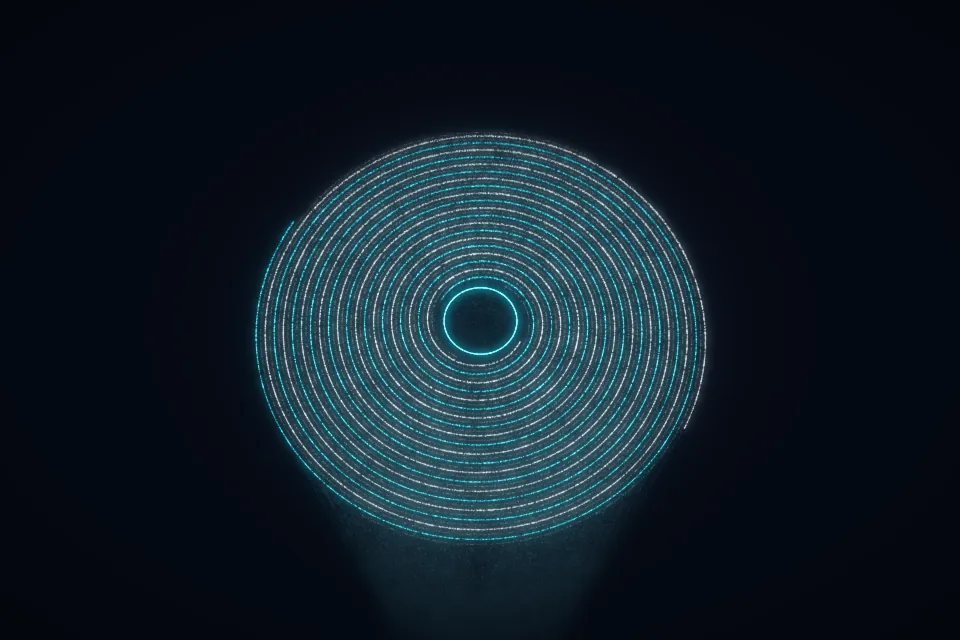
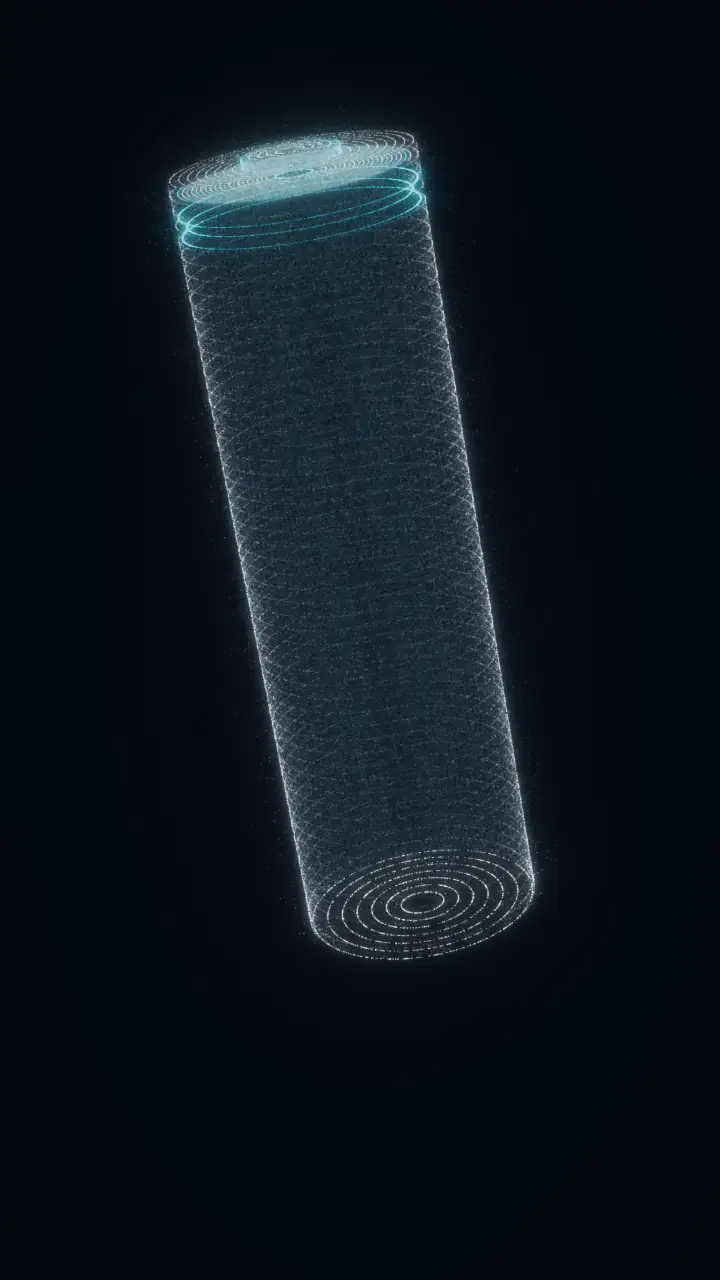
  1. Cylindrical cell

    21 × 70 mm

    Everything that decides its lifetime happens where you can't see it.

  2. Jelly roll

    Anode, separator, cathode

    Electrodes and separators wound into a tight spiral, sealed inside the can.

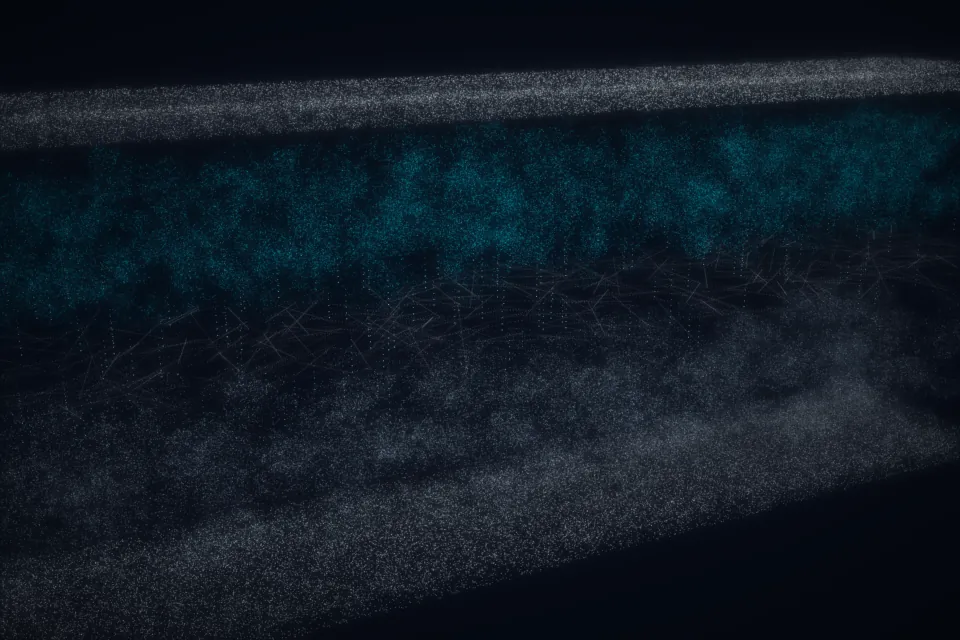
  3. Electrode stack

    Cu | graphite | separator | cathode | Al

    Unrolled, the cell is a stack of layers measured in micrometres. Lithium ions cross the separator every time it charges.

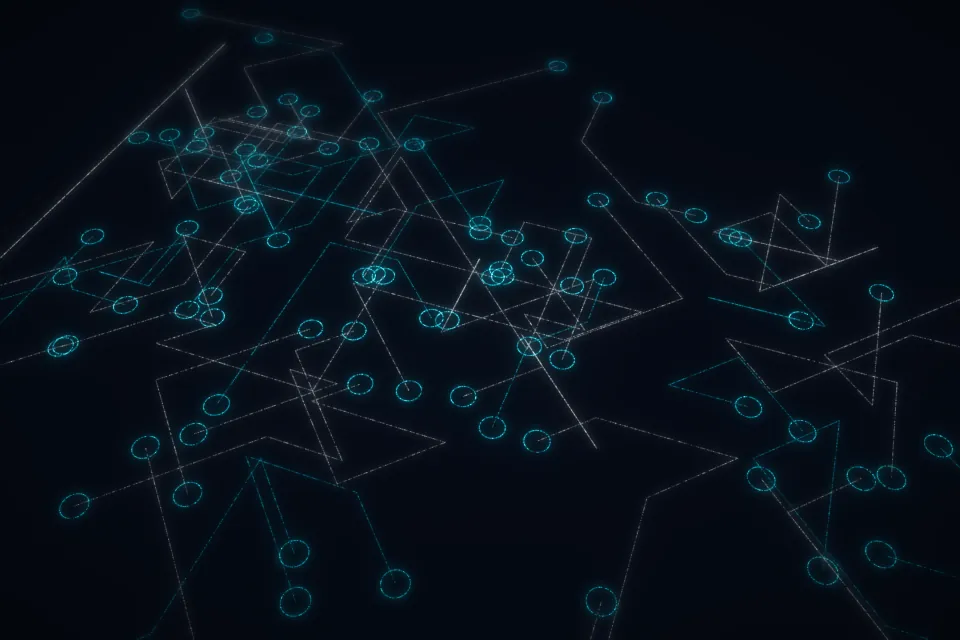
  4. Solid electrolyte interphase

    A film only nanometres thick

    It forms on the anode during the first charge, and how it grows decides how fast a cell ages. This is where my research begins.

Datasheet

Model KS-2026, Stuttgart

Grade for my SEI formation research project, the best possible on the German scale
1.0
Months of battery research at Fraunhofer IPA, since December 2024
23
Cell chemistries modelled: lithium-ion and sodium-ion
2
IEEE conference paper, ICCPCT 2023
1
CGPA out of 10, B.E. Electronics and Communication Engineering
9.14

The future of energy depends on how well we understand the technologies that store it.

I combine electrochemistry, electrical engineering, physics and simulation to make batteries more efficient, longer-lasting and more sustainable for electric vehicles, renewable grids and industry. Explaining today's cells is the starting point. Designing better ones is the goal.

Research across length scales

From a film a few nanometres thick to the vehicles and grids that depend on it.

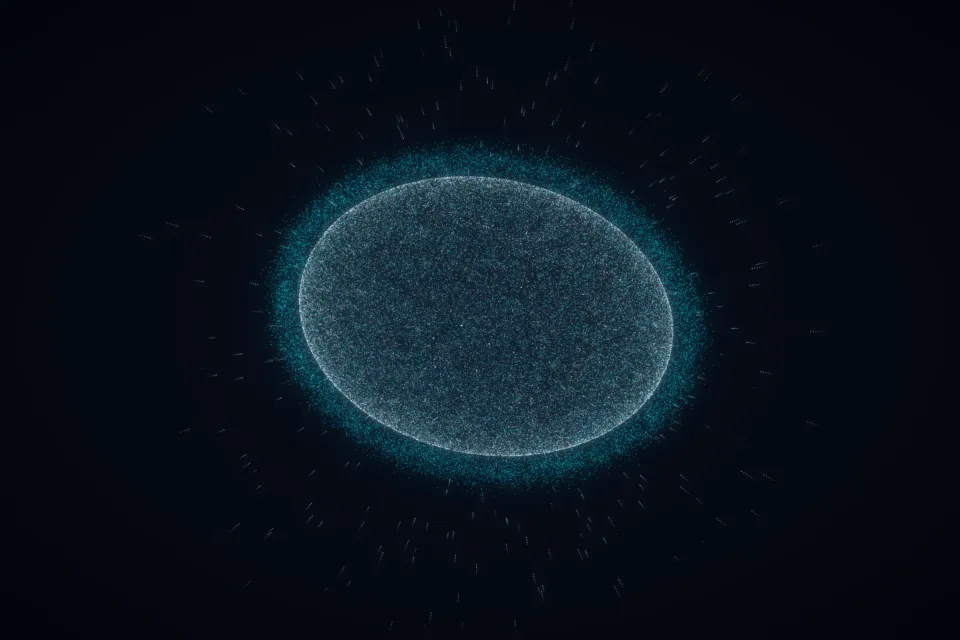
0 cycles, illustrative SEI growth on a graphite particle

10−9 mInterface scale

Battery modelling and electrochemical research

Physics-based models in PyBaMM that show how lithium-ion and sodium-ion cells form, age and lose capacity.

  • Solid electrolyte interphase (SEI) formation
  • Degradation and ageing mechanisms
  • Performance and lifetime analysis
  • Effects of operating conditions and electrode parameters
  • Cell performance optimisation

Illustrative heat field across a jelly roll cross-section

10−2 mCell scale

Multiphysics simulation and engineering

Coupled electrical, thermal and electrochemical simulation in COMSOL Multiphysics, so a model describes the whole cell rather than one equation at a time.

  • Multiphysics modelling
  • Thermal and electrical simulation
  • Computational engineering
  • Scientific analysis and model validation
  • From theoretical prediction to real-world application

Cells to packs to vehicles to the grid

103 mSystem scale

Sustainable energy and future technologies

Next-generation chemistries, electric mobility, and the experimental testing that turns a good model into a better product.

  • Next-generation battery technologies, including sodium-ion
  • Electric mobility
  • Experimental testing and validation
  • Sustainable energy storage
  • Emerging energy technologies and interdisciplinary research
Portrait of Kabilan Senthil
Kabilan SenthilStuttgart, Germany

From cars to cells

“I've always enjoyed the moment when theory and reality finally agree.”

  1. 01Before it all

    Curiosity

    Two interests shaped everything: understanding why things happen, from physical equations to chemical reactions at the atomic level, and cars. When electric vehicles began transforming the industry, the two came together.

  2. 022019–2023, Chennai, India

    Electronics first

    B.E. in Electronics and Communication Engineering at R.M.K. Engineering College, Anna University, with a CGPA of 9.14 out of 10. Along the way I built a basic electric bike in an EV training programme (2021), worked in Hyundai Motor India's automation maintenance team, where ECUs caught my attention (2022), and published an IEEE paper on a PLC-based test rig (2023). I also led the department student body as president.

  3. 032023

    The deliberate leap

    My degree was in electronics and communication. Electric mobility was where I wanted to be. So I moved to Germany for an M.Sc. in Electrical Engineering at the University of Stuttgart, specialising in power electronics.

  4. 04University of Stuttgart

    The course that changed the question

    Battery Modelling and Energy Management. Batteries stopped being a component inside a car. They became the technology behind transport, renewable energy and industry, and the subject I wanted to work on.

  5. 052024–2026, Fraunhofer IPA

    Inside the cell

    As a student research assistant I built physics-based electrochemical and thermo-electrical simulation workflows for lithium-ion and sodium-ion cylindrical cells, covering formation, degradation, ageing and cell design. My research project on SEI formation as a function of electrode thickness, modelled in PyBaMM, was graded 1.0.

  6. 06Now

    Master's thesis at Fraunhofer IPA

    Since August 2026 I've been modelling optimised cylindrical cell designs for lithium-ion and sodium-ion batteries, expanding into COMSOL Multiphysics. Next, I want to connect simulation with experimental testing and validation, ideally through a PhD in battery technology or electrified mobility.

How I work

  • Question the assumption.

    The interesting answers start where the textbook explanation stops.

  • Experiment, get it wrong, improve it.

    I learn fastest by testing ideas and finding a better way forward.

  • Theory has to meet reality.

    A model is only as good as its agreement with the real cell.

  • Research is built with people.

    Reliability, empathy and collaboration matter as much as results.

Toolkit and community

What I work with

  • PbPyBaMMElectrochemical cell modelling: SEI, ageing, degradation
  • CoCOMSOL MultiphysicsCoupled thermal, electrical and electrochemical simulation
  • PyPythonModelling workflows, parameter studies, data analysis
  • MaMATLABNumerical analysis and control
  • LtLTspicePower electronics circuit simulation
  • CCEmbedded systems
  • ArArduinoHardware prototyping

Simulation Programming and hardware

Pb, Co, C and Ar are real elements: lead and cobalt sit in battery electrodes, carbon is the graphite in most anodes, and argon fills the gloveboxes where lab cells are assembled.

Domain expertise

  • Battery modelling
  • Computational electrochemistry
  • Battery degradation analysis
  • Power semiconductor systems
  • Embedded systems
  • EV powertrain fundamentals

Beyond the lab

  • Board member (Vorstand)Studentische Selbstverwaltung und Tutorium Allmandring e. V.Jan–Dec 2026
  • PresidentDepartment Student Body, R.M.K. Engineering College2022–2023
  • Head of Organising CommitteeHON-E-KEN'22, national technical symposium2022
  • Class RepresentativeR.M.K. Engineering College2019–2023

Languages

  • TamilNative
  • EnglishC2
  • GermanA1, charging

Selected research and projects

Fully charged.

Let'sconnect

I'm open to PhD positions, research collaborations and roles in battery technology and electrified mobility. Whether you're a researcher, an institute or an industry team, I'd like to hear from you.

Based in Allmandring 8D, 70569 Stuttgart, Germany